Pet Travel Essentials Checklist: Calm Dog & Cat Trips
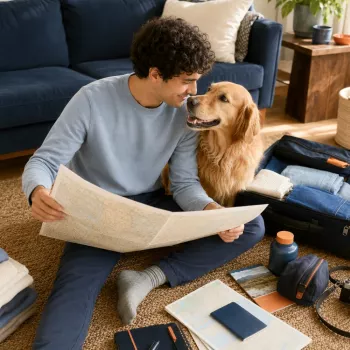
Pet Travel Essentials Checklist for Safe, Calm Trips With Dogs and Cats
Travel days go smoother when pet needs are planned like a mini “home away from home.” A reliable checklist prevents last-minute scrambling, helps reduce stress signals (panting, pacing, hiding), and keeps key safety items within reach during road trips, hotel stays, and longer vacations. Use the sections below to build a repeatable routine for dogs or cats—then keep a printable planner on hand for every trip.
Before You Pack: Quick Health, ID, and Trip Prep
- Confirm your pet is fit to travel. If there’s been recent illness, surgery, pain flare-ups, or a history of high travel anxiety, schedule a check-in with your veterinarian so you’re not guessing on the road.
- Update core prevention. Stay current on flea/tick and heartworm (where relevant), and confirm any vaccine requirements for boarding, grooming, hotels, or destination regulations.
- Double-check identification. Make sure the collar tag is readable, microchip contact info is updated, and add a temporary travel tag with your phone number plus the destination address.
- Gather documents. Bring vaccination records, rabies certificate, a recent photo, and any health certificate needed for flights or interstate travel rules that may apply.
- Practice the carrier or crate. Do short, positive sessions with treats and a familiar blanket so the carrier feels predictable on departure day.
- Plan feeding and potty timing. Many pets do better with a lighter meal before driving and a steady break schedule to minimize nausea and accidents.
For additional safety guidance, review the AVMA’s traveling with your pet tips and the ASPCA travel safety recommendations.
Safety Essentials for Cars, Carriers, and Hotel Rooms
- Use the right restraint. Dogs should ride in a properly fitted harness with a seatbelt system; cats (and small dogs) should ride in a secured carrier. Roaming in the cabin can turn into a serious hazard during sudden stops.
- Stabilize the setup. Place carriers flat, strap them in, and avoid the front seat where airbags can be dangerous.
- Temperature control matters. Pre-cool or pre-warm the vehicle, use window shades when needed, and never leave pets unattended in a parked car.
- Leash-and-door protocol. Clip the leash before opening any door; for cats, keep them in the carrier until you’re inside a closed room.
- Hotel “pet-proofing.” Check under beds, behind headboards, and around vents for hiding spots. Block access if needed, and keep the carrier available as a quiet safe zone.
- Noise and hallway risks. Use a door sign (“Pet inside”) and consider a fan or white-noise app to dampen sudden sounds that can startle pets.
Road Trip Packing List: Food, Water, Comfort, and Clean-Up
- Food and water. Pack extra days beyond your itinerary, collapsible bowls, and a dedicated water bottle for stops. Consistent food and water routines can prevent stomach upset.
- Comfort items. Bring a familiar blanket or bed plus a couple favorite toys so the environment smells “right” even when the place is new.
- Hygiene kit. Include poop bags, wipes, enzyme cleaner, paper towels, and disposable gloves. For cats, bring litter that matches home and a disposable tray for easy resets.
- Calming supports. Use species-specific pheromone spray/wipes, a chew item for dogs, and a carrier cover for cats who settle better in dim spaces.
- Weather readiness. Pack a cooling mat or sweater, paw protection for hot pavement or rough terrain, and a towel for rain or muddy parks.
- Power and lighting. A small flashlight or headlamp helps with late-night potty breaks, and a spare battery pack keeps your phone available for navigation and emergencies.
Printable-friendly Pet Travel Essentials Checklist
| Category | Bring | Notes |
|---|---|---|
| ID & documents | Rabies/vaccine records, microchip info, recent photo | Keep a digital copy on phone + paper copy in bag |
| Safety & restraint | Harness + seatbelt clip (dogs), secured carrier (cats/small dogs) | Test fit before travel day |
| Food & water | Food, treats, bowls, water bottle | Pack 2–3 extra days of food |
| Medication | Daily meds, preventatives, dosing instructions | Include vet phone number and refill plan |
| Potty & cleanup | Poop bags, wipes, enzyme cleaner; litter + tray for cats | Stash a “quick kit” in the car |
| Comfort | Blanket/bed, toys, carrier cover | Familiar scent reduces stress |
| Emergency | Pet first-aid basics, tick remover, emergency contacts | Know nearest 24/7 clinic en route |
Special Considerations: Cats, Small Dogs, Seniors, and Anxious Travelers
Emergency Readiness on the Road
Make It Easy: A Printable Planner for Repeatable Trips
Helpful printables and guides
- Printable Pet Travel Essentials Checklist and Planner
- Critical Thinking & Problem Solving eBook – Digital Download Guide for Smarter Decision Making
FAQ
What are the must-have items for traveling with a dog or cat?
Start with safe restraint (harness/seatbelt for dogs, secured carrier for cats), updated ID and travel documents, and reliable food/water supplies. Add medications, cleanup essentials, familiar comfort items, and an emergency plan with clinic contacts.
How often should pets take breaks on a road trip?
Most dogs do best with a break about every 2–3 hours for water, sniffing, and potty time, while puppies and seniors often need more frequent stops. Cats typically stop less often, but you can offer quiet breaks in a secure setting without opening doors or letting them roam.
How can travel stress be reduced for cats in a new place?
Set up one closed “home base” room first, keep the carrier available as a safe zone, and use familiar bedding to anchor scent. Minimize noise, use species-appropriate pheromone support if helpful, and prevent door-dash risks by keeping transitions controlled.










Leave a comment