10 Must-See U.S. National Parks: Fast-Facts Trip Planner
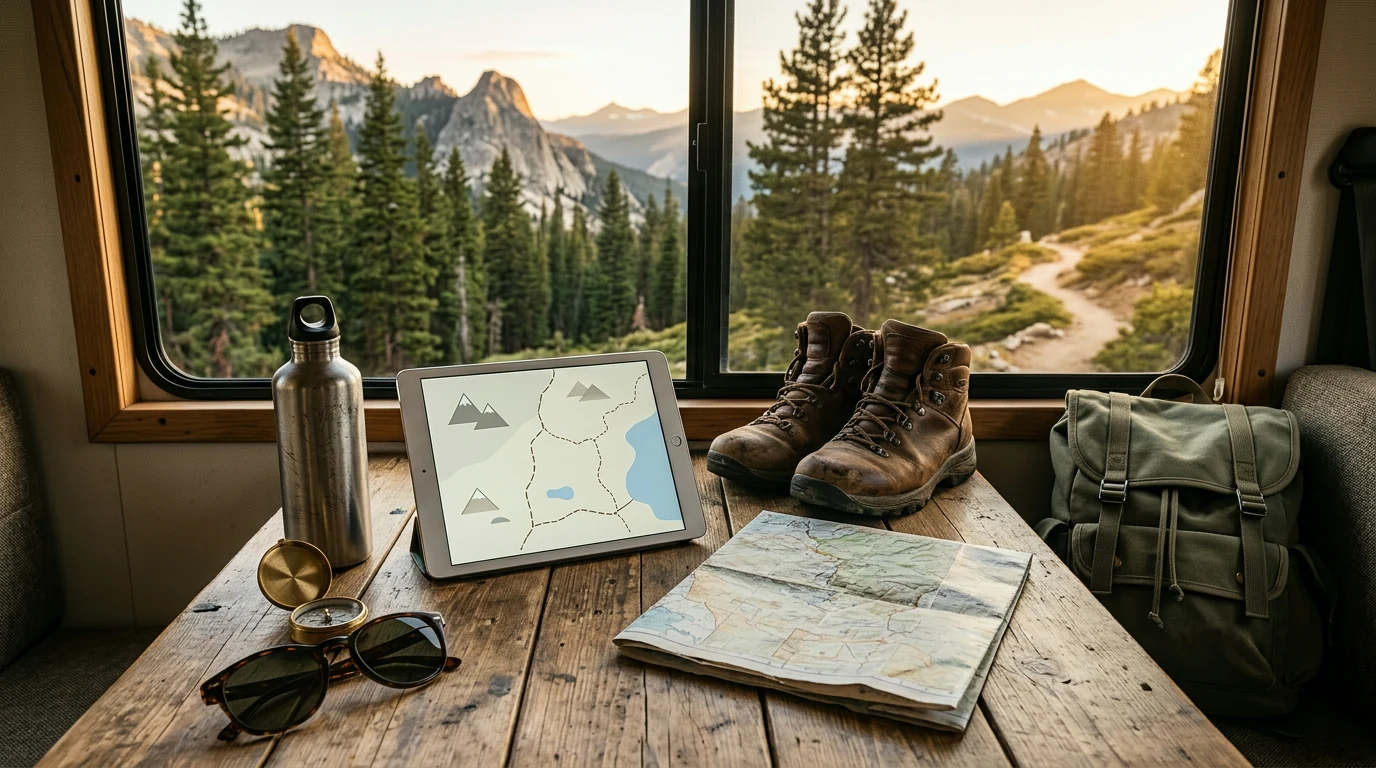
Top 10 Must-See U.S. National Parks: Fast Facts and a Simple Planning System for Your Next Adventure
National parks planning gets easier when the essentials are in one place: what makes each park special, when to go, how much time to budget, and what to prep before hitting the trail. The goal is simple—turn “someday” into a booked, confident itinerary with fewer surprises and better days outside.
Why fast facts matter when choosing a national park
National parks can feel limitless—until you’re staring at a calendar, a map, and a dozen “must-do” lists. Fast facts help narrow the field quickly and realistically.
- Less overwhelm, better fit: Pick a few high-match parks based on scenery, activities, and season rather than trying to do everything.
- Fewer common missteps: Avoid underestimating drive times, showing up during peak congestion, or missing permit and timed-entry windows.
- Smarter pacing: Match the park’s size and highlight density to the days you actually have—so your trip doesn’t become a rush.
What the digital travel guide includes
A good planning guide doesn’t bury you in trivia. It gives quick-reference park profiles and a repeatable system: choose a park, choose a season window, select core hikes/viewpoints, then build buffers for crowds and weather.
At-a-glance: what to decide before booking
| Decision | Why it matters | Fast check |
|---|---|---|
| Best season window | Weather, trail access, and crowd levels change drastically by month | Look up typical temps, road closures, and wildfire/snow patterns |
| Trip length | Determines whether the trip is “highlights-only” or includes longer hikes and scenic drives | Assign 1–3 anchor activities per day |
| Permits & reservations | Some popular trails, campgrounds, and timed entries require advance booking | Check the park’s official reservation pages |
| Fitness and safety needs | Elevation, heat, and exposure affect difficulty beyond mileage | Confirm elevation gain, water availability, and sun exposure |
| Transportation style | Shuttles, parking constraints, and long drives affect daily timing | Map trailheads and sunrise/sunset drive times |
The “Top 10” parks: what to expect from each stop
These picks balance iconic views with varied terrain—mountains, canyons, desert rock, coastal scenery, and geothermal features. Use the notes below to estimate time, pick a season, and decide whether you’re planning a weekend sprint or a slower multi-day stay.
- Yellowstone (WY/MT/ID): Geothermal basins and wildlife. Best late spring–early fall; plan 2–4 days to avoid constant driving.
- Yosemite (CA): Granite walls, waterfalls, big-view hikes. Best late spring for waterfalls or fall for fewer crowds; 2–3 days feels right.
- Grand Canyon (AZ): Rim viewpoints and depth-of-scale hikes. Best spring/fall; 1–2 days for rim highlights, longer for below-rim routes.
- Zion (UT): Canyon walls, iconic hikes, shuttle logistics. Best spring/fall; 2 days to land key trails without stress.
- Bryce Canyon (UT): Hoodoo amphitheaters and sunrise color. Best late spring–early fall; 1 day covers prime viewpoints and a classic loop.
- Arches (UT): Desert arches and short-to-moderate hikes. Best spring/fall; 1–2 days depending on heat and timed entry.
- Glacier (MT): Alpine lakes and epic drives. Best mid-summer–early fall; 3–5 days if Going-to-the-Sun Road is a priority.
- Rocky Mountain (CO): High-elevation trails and scenic roads. Best summer–early fall; 2–3 days, with altitude buffers.
- Great Smoky Mountains (TN/NC): Forest ridgelines, waterfalls, scenic loops. Best spring blooms or fall color; 2–3 days for variety.
- Acadia (ME): Coastal cliffs, carriage roads, sunrise views. Best summer–early fall; 2–3 days for a balanced mix.
How to match a park to your travel style
Season and weather: quick planning rules that prevent bad surprises
Permits, reservations, and crowd strategy
For official alerts, closures, and safety updates, check the National Park Service. For many permits and reservations, use Recreation.gov.
Safety and Leave No Trace essentials for hikers and planners
For practical outdoor ethics that apply in every park, use the guidance from the Leave No Trace Center for Outdoor Ethics.
Using the guide as a plug-and-play trip planner
Digital format benefits for travel days
Get the digital travel guide
If you want quick facts, clear decision points, and flexible itineraries, start with Top 10 Must-See U.S. National Parks + Fast Facts (Digital Travel Guide eBook). It’s designed to help build a first parks bucket list or tighten plans for an upcoming trip without overcomplicating the process.
For travelers who like a structured way to weigh options and tradeoffs (season, difficulty, and time), Critical Thinking & Problem Solving eBook pairs well with trip planning—especially when you’re comparing multiple routes and reservation constraints.
If a national parks trip is part of a broader “reset” season—planning new goals, projects, or a career pivot—Find Your Next Big Business Idea Toolkit (Ebook) is a practical add-on for mapping next steps once you’re home.
FAQ
Is this guide helpful for first-time national park visitors?
Yes. It’s built around fast facts and simple planning steps so first-timers can choose a park, pick a season window, and map out a realistic set of highlights without getting overwhelmed.
Does it cover hiking-focused planning details?
Yes. It emphasizes choosing hikes and viewpoints that match your time and fitness level, planning around heat/altitude, and pacing each day with buffers for crowds, weather, and trail logistics.
How does a digital guide help while traveling?
A digital guide is easy to search quickly, works across multiple devices, and can be supported by offline saves (maps, confirmations, key pages) for areas with weak cell service.












Leave a comment