A Path to Calm: 4-in-1 Anxiety Relief Bundle Toolkit

The Anxiety Relief Bundle: A Path to Calm — A Practical 4-in-1 Toolkit for Daily Support
Anxiety can show up as racing thoughts, tension, overthinking, or a constant sense of being “on.” The Anxiety Relief Bundle: A Path to Calm (4-in-1 Bundle) brings together four coordinated resources—mindfulness exercises, positive-thinking prompts, a printable checklist, and a course-style outline—so calmer habits are easier to practice consistently, especially on busy days. Instead of reinventing your plan every time stress spikes, you get a repeatable toolkit designed to reduce friction and support steadier self-care.
For background on anxiety and commonly recommended self-help approaches, see the National Institute of Mental Health overview and the American Psychological Association’s mindfulness resource.
What’s Included in the 4-in-1 Bundle
This bundle is built to work as a set: each piece supports a different part of the anxiety cycle (body stress, thought spirals, avoidance, and “what do I do next?” overwhelm).
- Mindfulness exercises designed for short, repeatable practice (useful when time and attention feel limited).
- Positive-thinking resources to challenge unhelpful thought loops and support more balanced self-talk.
- Printable checklist to turn calming actions into a simple routine that can be followed even when overwhelmed.
- Course outline that organizes the materials into a step-by-step path, reducing decision fatigue about what to do next.
Bundle Components and How They’re Commonly Used
| Component | Best for | Typical moments to use | What it helps reduce |
|---|---|---|---|
| Mindfulness exercises | Grounding and body-based calm | Morning reset, midday stress spike, before bed | Physical tension, rumination |
| Positive-thinking prompts | Reframing anxious thoughts | After a trigger, during worry spirals, journaling sessions | Catastrophizing, harsh self-talk |
| Printable checklist | Consistency and structure | Daily routine, high-stress weeks, travel or schedule changes | Decision fatigue, avoidance |
| Course outline | Progressive skill-building | Weekly plan, guided self-study, revisiting fundamentals | Feeling stuck, lack of direction |
Who This Bundle Tends to Help Most
- People who feel anxious in predictable patterns (work stress, social worry, health worries, nighttime overthinking).
- Anyone who wants a structured toolkit rather than searching for a new method each time anxiety appears.
- Busy adults who benefit from short practices and clear “next steps.”
- Those who prefer a private, self-paced format that can complement professional support.
If anxiety regularly shows up in relationships or dating, pairing this bundle with a boundaries-focused resource can be supportive. The Mindful Dating Red-Flag Checklist for emotional safety and boundaries offers a simple way to stay grounded in your standards when emotions run high.
A Simple Weekly Rhythm (Without Overcomplicating It)
A plan is only useful if it’s easy to repeat. This rhythm keeps things structured while leaving room to adjust for your schedule and energy.
- Days 1–2: Start with brief mindfulness exercises to build a dependable “pause” skill before adding more tools.
- Days 3–4: Add positive-thinking prompts to work with common anxious thoughts (write them down for clarity).
- Day 5: Use the printable checklist to create a personal “minimum effective routine” for stressful days.
- Days 6–7: Review the course outline and repeat the practices that felt most stabilizing; consistency beats intensity.
- Optional: Track what triggers anxiety and which exercise helped most—patterns make the plan easier over time.
Mindfulness Exercises: Making Calm Feel More Accessible
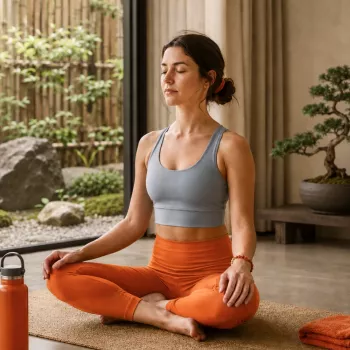
Mindfulness works best when it’s frictionless. The goal isn’t to “empty your mind”—it’s to notice what’s happening, come back to the present, and give your nervous system a chance to downshift.
- Pair mindfulness with a cue (tea, shower, commute, bedtime) to reduce reliance on motivation.
- Aim for small windows of practice; brief grounding can be more sustainable than occasional long sessions.
- Use a “name it to tame it” check-in: label sensations (tight chest, buzzing thoughts) without judging them.
- If sitting still increases discomfort, choose movement-based mindfulness (slow walking, stretching, breath with gentle motion).
Positive Thinking That Stays Realistic (Not Forced)
“Positive thinking” is most helpful when it’s believable. Instead of trying to convince yourself everything is perfect, the prompts aim for balanced self-talk that keeps you moving forward even when anxiety is present.
For people who prefer structured thinking tools beyond anxiety-specific prompts, a complementary resource like the Critical Thinking & Problem Solving eBook can support clearer decision-making when stress makes everything feel urgent.
Printable Checklist: Turning Tools Into an “In-the-Moment” Plan
Course Outline: A Clear Path When Motivation Is Low
Practical Tips for Getting More Value From the Bundle
If you want a single hub where everything is already coordinated, The Anxiety Relief Bundle: A Path to Calm (4-in-1 Bundle) is designed to make follow-through easier—so support is available not just when you feel calm enough to plan, but when you most need a plan.
FAQ
Is this bundle a replacement for therapy or medical treatment?
No. It’s a self-guided support toolkit that can complement professional care, not replace it. If symptoms are severe, persistent, or worsening, seeking help from a qualified clinician is important.
How quickly can results be noticed?
Some people notice short-term relief after a grounding exercise the same day. More lasting change typically comes from consistent practice over several weeks, especially when the tools become part of a routine.
What if mindfulness makes anxiety feel worse at first?
Try shorter sessions, practicing with eyes open, using movement-based mindfulness, or focusing on external grounding (sounds, touch, temperature). If distress persists or feels intense, getting guidance from a professional can help tailor a safer approach.









Leave a comment