Minimalist Packing Planner: Carry-On Ready, Stress-Free
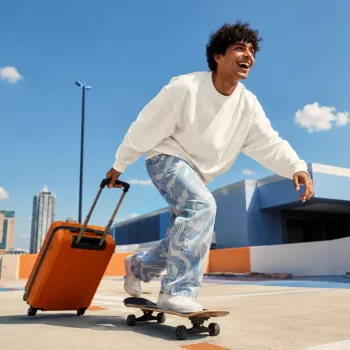
Minimalist Travel Packing Planner: A Digital Guide for Light, Smart, Stress-Free Trips
Packing light gets easier when the decisions are made once and reused—outfits, essentials, and day-by-day needs. A minimalist approach reduces overpacking, speeds up airport transitions, and makes it simpler to stay organized on the road. Below is a practical system for building a repeatable packing plan, plus a flexible capsule checklist you can adapt for weekends, work trips, or longer travel.
Why minimalist packing works (and why it feels calmer)
Minimalist packing isn’t about going without—it’s about choosing on purpose. When your bag contains only what you’ll actually use, travel feels smoother from the moment you zip it shut.
- Fewer items means fewer decisions: less time spent choosing outfits, digging through bags, and repacking.
- Lighter bags reduce physical strain and make transfers (stairs, trains, rideshares) smoother.
- A smaller kit is easier to keep tidy: every item has a place, so clutter doesn’t build up in the room.
- A consistent system prevents last-minute omissions (chargers, meds, documents) that cause stress.
Start with the trip snapshot: constraints that shape the list
Before listing a single item, define the trip boundaries. Minimalist packing works best when it’s built around real constraints instead of “maybe” scenarios.
- Trip length and laundry access: plan a re-wear cycle and decide whether you’ll wash mid-trip.
- Climate and activities: map each day to 1–2 primary activities (work, hiking, dinners) rather than packing “just in case.”
- Bag limits: carry-on vs personal item; weight limits for budget airlines; footwear and outerwear are the biggest space drivers.
- Comfort rules: choose 2–3 non-negotiables (for example: one nicer outfit, one workout kit, one cozy layer).
Build a small capsule wardrobe that mixes without effort
A capsule wardrobe is the fastest route to “I have nothing to wear” never happening on a trip. The goal is a handful of pieces that combine into many outfits without overthinking.
- Choose a simple color palette (2 neutrals + 1 accent) so tops and bottoms pair naturally.
- Use the 3-2-1 method as a starting point (adjust by season): 3 tops, 2 bottoms, 1 layering piece.
- Pick fabrics that dry quickly and resist odors; prioritize items that can be dressed up or down.
- Limit shoes to two pairs when possible: one walk-all-day pair and one alternate (dressier or activity-specific).
- Plan outfits, not items: ensure each piece is assigned to at least two outfits.
Capsule packing baseline by trip length (carry-on friendly)
| Category | Weekend (2–3 days) | 1 week (5–7 days) | 2 weeks (with laundry) |
|---|---|---|---|
| Tops | 2–3 | 4–5 | 5–6 |
| Bottoms | 1–2 | 2–3 | 3 |
| Layering piece | 1 | 1–2 | 2 |
| Outerwear (seasonal) | 0–1 | 1 | 1 |
| Shoes | 1–2 | 2 | 2 |
| Sleepwear | 1 | 1 | 1 |
| Underwear/socks | 3 | 7 | 7–10 |
Non-negotiables checklist: documents, health, and tech
Minimalist travel still needs a rock-solid essentials core. Keep these items in a consistent “always” category so they never depend on memory.
- Documents: ID/passport, visas (if needed), boarding passes, reservations, travel insurance details. For international planning, check the U.S. Department of State travel guidance.
- Money: 2 payment methods (card + backup), small cash, and a plan for ATM access.
- Health: prescriptions in original containers, basic first-aid items, motion-sickness or allergy meds as needed. For destination-specific updates, review CDC Travelers’ Health.
- Tech: phone, charger, backup power bank, adapter (international), and one cable strategy (short multi-cable or minimal set).
- Security and comfort: sunglasses, earplugs, small lock (if relevant), and one lightweight tote/day bag.
Toiletries and personal care without overpacking
Toiletries are where “just in case” items quietly multiply. A minimalist approach keeps your routine comfortable while staying compliant with carry-on rules.
- Use travel-sized containers for daily essentials; avoid packing full-size “just in case.”
- Stick to a core routine: cleanser/moisturizer/SPF (or the minimum that keeps skin comfortable).
- Aim for one multipurpose item where possible (for example: moisturizer that works for face and hands).
- Check lodging and destination availability: many items can be bought on arrival, especially for longer trips.
- Pack liquids with airport rules in mind; place toiletries where they’re easy to access. Reference the TSA liquids rule before flying.
A simple packing workflow that prevents last-minute chaos
Consistency is the real minimalist “hack.” When packing becomes a repeatable workflow, it stops taking mental energy.
Digital planning that stays reusable across every trip
Minimalist Travel Packing Planner: what it helps simplify
Recommended digital downloads
- Minimalist Travel Packing Planner (digital packing guide) — a reusable template for capsule outfits, essentials, and final checks.
- Critical Thinking & Problem Solving eBook — helpful for building clearer systems and making faster, calmer decisions when plans change.
- Find Your Next Big Business Idea Toolkit (Ebook) — useful if travel includes conferences, research trips, or brainstorming time on the road.
FAQ
How do you pack light without forgetting something important?
Use a reusable master checklist split into categories (documents/health/tech/clothes/toiletries), then add a short trip-specific add-on list based on activities and climate. Finish with a pre-departure check for wallet, ID, medications, and chargers.
How many outfits are enough for a week-long trip?
Plan 4–5 tops and 2–3 bottoms in a small color palette, then build 5–7 outfits by mixing pieces. Include one layering item and one nicer option if needed, and rely on re-wears for pants and outer layers.
What’s the easiest way to stop overpacking “just in case” items?
Assign every item to a specific use case (an outfit or activity). If it can’t be matched to at least two planned moments, remove it or replace it with a more versatile piece.








Leave a comment