Best Self-Healing Meditation: A Simple 10-Min Routine
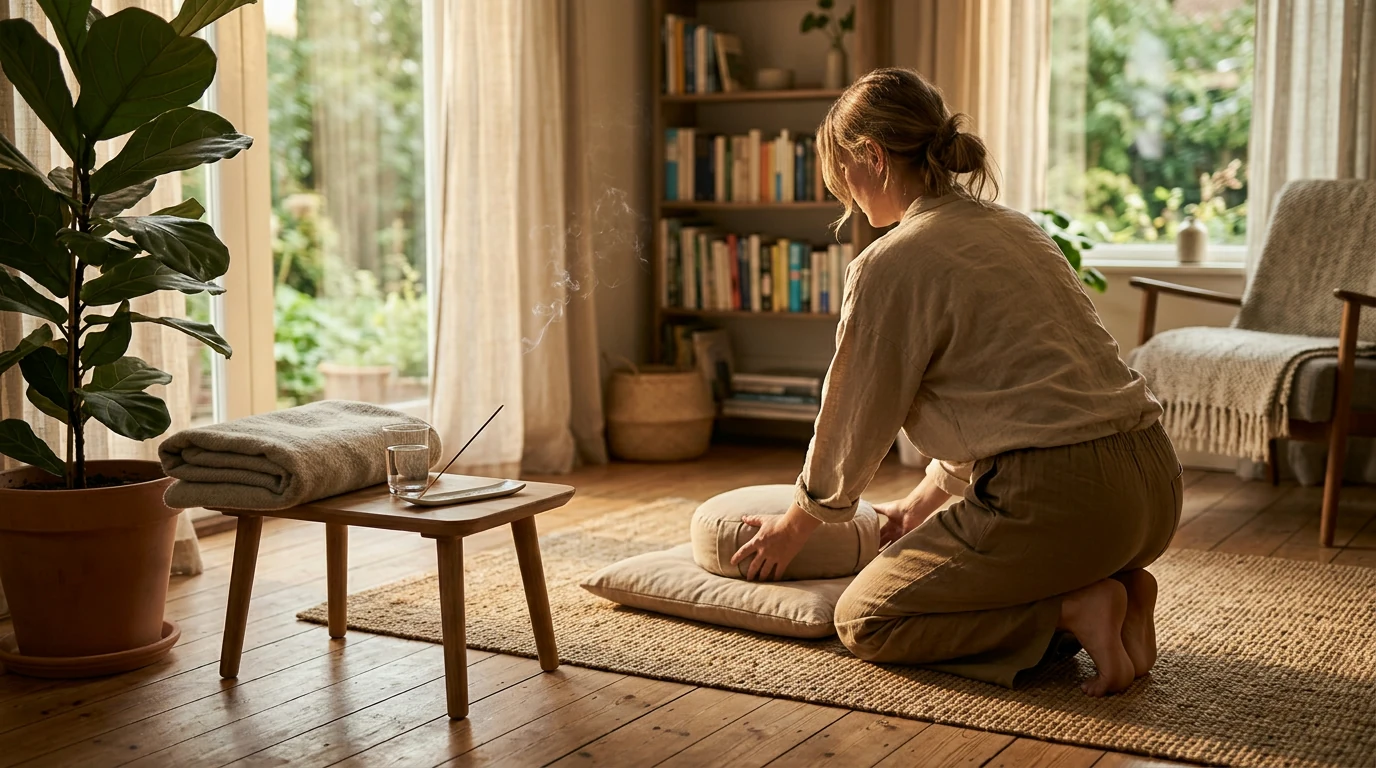
What is the best self-healing meditation?
The best self-healing meditation is the one that helps the nervous system feel safe enough to soften—then guides attention toward compassion, release, and inner steadiness. For many people, a guided self-love and worthiness meditation is the most effective place to start because it reduces decision fatigue and provides a supportive structure when emotions feel tender or overwhelming.
A strong self-healing practice usually includes three core elements: grounding (to settle the body), gentle emotional permission (to stop fighting what’s present), and a restorative focus (like self-compassion, forgiveness, or heart-centered breathing). When these pieces work together, meditation becomes less about “fixing” and more about creating conditions where healing can naturally unfold.
How to choose the right style for you
If stress and overthinking are the main issue, pick a meditation with slow breath cues, body relaxation, and minimal visualization. If the pain feels more emotional—shame, heartbreak, self-criticism—choose a self-love or worthiness-centered meditation that emphasizes kindness and acceptance. If you’re depleted, look for a short practice (5–10 minutes) you’ll actually repeat daily; consistency matters more than length.
A simple self-healing routine (10 minutes)
Start seated or lying down. Inhale for a count of four and exhale for a count of six for one minute. Then scan from forehead to feet, relaxing each area. Place a hand on the heart and silently repeat: “I’m here with you,” or “I am safe enough in this moment.” Finish by picturing a warm light in the chest expanding gently with each breath.
Try a guided option for self-love and worthiness
For a supportive, ready-to-press-play approach, explore guided self-love and worthiness meditations here: https://greatgemsden.shop/guide-guided-self-love-worthiness-meditations-audio/. Guided audio can help keep attention anchored and make it easier to return to the practice on difficult days.
FAQ
How often should you do a self-healing meditation?
Daily is ideal, even if it’s only 5 minutes. If daily feels like too much, aim for 3–4 times per week and build from there.











Leave a comment