Toddler Nightmares: Comfort Tips & Bedtime Fixes
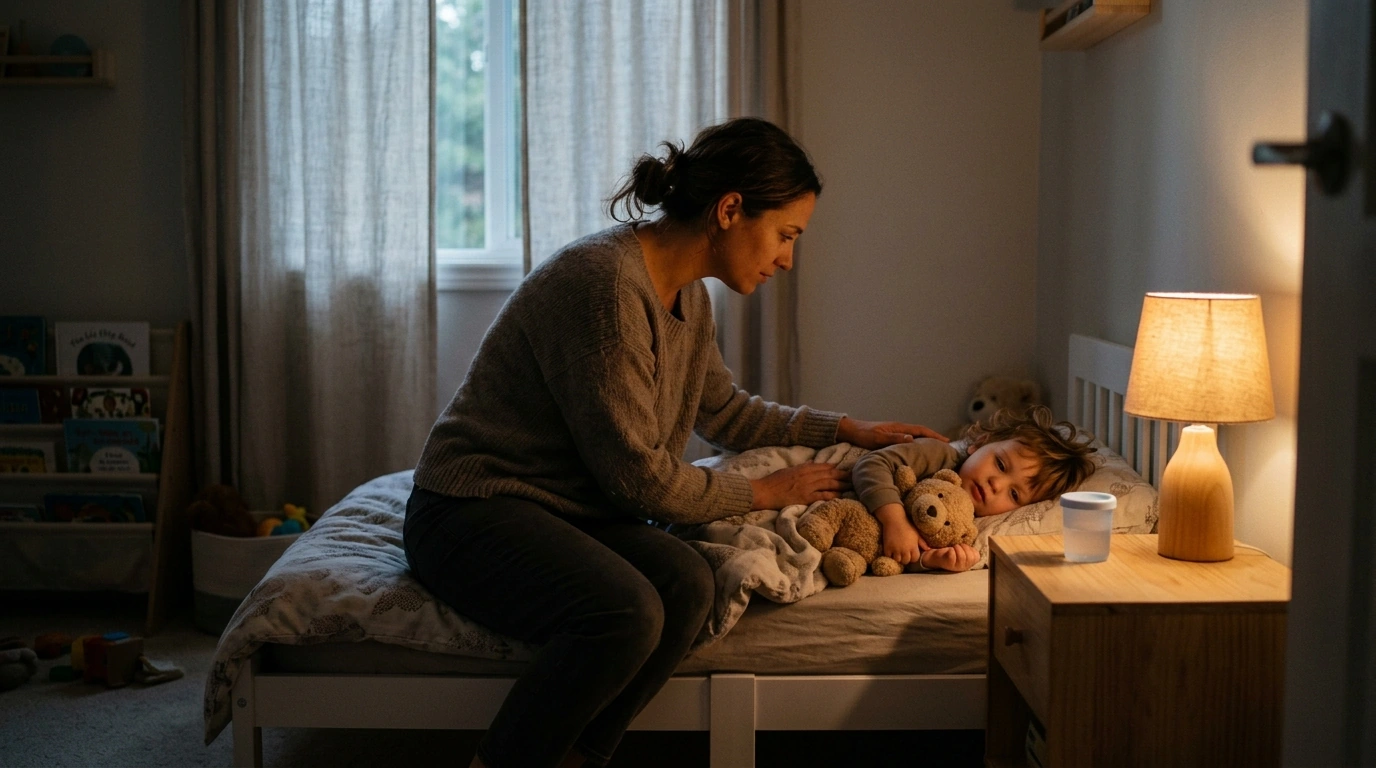
What to Do When Your Toddler Has Nightmares: Practical Comforting Tips & Bedtime Solutions
Nightmares can feel intense for toddlers and exhausting for parents, especially when they repeat night after night. The goal is to help a child feel safe, settle the body back into sleep, and gently reduce the triggers that make scary dreams more likely—without turning bedtime into a battle. With a calm plan and a few prevention tweaks, most families see night wake-ups get shorter and less frequent.
Nightmares vs. night terrors: why the difference matters
Nightmares and night terrors can look similar at 2 a.m., but the right response depends on which one is happening.
- Nightmares usually happen in the second half of the night. A child often wakes upset, wants comfort, and may describe the scary dream.
- Night terrors often happen in the first few hours of sleep. A child may scream or look awake, but they’re difficult to console and usually won’t remember it in the morning.
- If a toddler can be comforted and reoriented, it’s more likely a nightmare. If they seem “not fully awake,” focus on safety and wait it out calmly.
- Frequent episodes, injuries, breathing issues, or concerning daytime symptoms are reasons to talk with a pediatrician.
For deeper background on typical sleep behaviors in kids, see resources from American Academy of Pediatrics (HealthyChildren.org) and the Sleep Foundation.
What to do in the moment: a calm, repeatable comfort routine
When a toddler wakes panicked, the fastest path back to sleep is a predictable, low-stimulation routine.
- Pause, breathe, and approach softly. Toddlers mirror adult nervous systems; a steady voice lowers the intensity.
- Use a simple script. Name the feeling, offer safety, and give a next step: “You had a scary dream. You’re safe. I’m here. Let’s take three slow breaths.”
- Keep lights low. Bright lights can fully wake the brain and make returning to sleep harder.
- Offer one predictable comfort tool. A hug, back rub, sip of water, or a short lullaby works well. Avoid adding new “extras” that become required each night.
- Reorient gently. Point out familiar objects: “Your teddy is here. Your blanket is here. We’re in your room.” Keep explanations brief.
- If they want to talk, listen first. Then help rewrite the ending: “What could make the dream feel safe?” Avoid interrogating for details.
- Return to bed with a consistent exit plan. Tuck in, one reassurance phrase, then step out. If needed, do short check-ins at a predictable interval.
Common triggers that make nightmares more likely
- Overtiredness and irregular sleep schedules. Fatigue can increase night wakings and vivid dreams.
- Scary or intense media (including “kid” shows with chase scenes), especially close to bedtime.
- Big changes: new daycare, travel, potty training, new sibling, moving rooms, or caregiver stress.
- Illness, fever, or certain medications. Note timing and discuss patterns with a clinician if concerned.
- Daytime anxiety spikes (separation worries, new fears, sensory overload) that show up at night.
If you suspect your child’s episodes might be night terrors rather than nightmares, the NHS overview on night terrors and nightmares offers a helpful, plain-language comparison.
Bedtime solutions that reduce repeat nightmares
Prevention is mostly about lowering overall arousal and building a bedtime rhythm your toddler can predict.
Nightmare response plan: what helps (and what tends to backfire)
| Moment | Helpful responses | Usually backfires |
|---|---|---|
| Right after waking | Soft voice, brief reassurance, low light, slow breaths | Turning on bright lights, asking lots of questions, showing frustration |
| Trying to fall back asleep | Short comfort ritual, back rub, predictable words, quick tuck-in | Long conversations, snacks every time, letting them roam the house |
| Next day follow-up | Name the feeling, draw the dream, create a brave ending, praise coping | Teasing, forcing detailed retelling, using the dream as a threat or warning |
| Prevention at bedtime | Consistent routine, calming activities, avoid scary media, adequate sleep | Late bedtimes, screen time close to sleep, inconsistent responses night to night |
Talking about nightmares in daylight: building coping skills
When to get extra support
A step-by-step guide to keep by the bed
Helpful downloads for tired-parent decision-making
- Critical Thinking & Problem Solving eBook – Digital Download Guide for Smarter Decision Making
- Find Your Next Big Business Idea Toolkit – Trendspotting, Market Gaps, Validation, MVP Tests & Idea Scorecard (Ebook)
FAQ
How long do toddler nightmares usually last?
Many toddlers have occasional nightmares that come and go over weeks. Consistent sleep routines and reducing triggers often helps; if nightmares are frequent for months or disrupt daytime functioning, discuss patterns with a pediatrician.
Should a toddler sleep in a parent’s bed after a nightmare?
It can help in a one-off crisis, but doing it routinely can become a learned pattern. A middle ground is offering comfort in your child’s room and returning them to their bed with the same brief routine each time.
What’s the best bedtime routine to prevent nightmares?
A predictable wind-down in the same order nightly, an earlier bedtime when your child is overtired, calming activities, and avoiding scary media close to sleep are strong starters. Adding a quick coping ritual like simple breathing or a comfort mantra can make bedtime feel safer.












Leave a comment