Calm Vacuum Training for Dogs & Cats: Stress-Free Steps
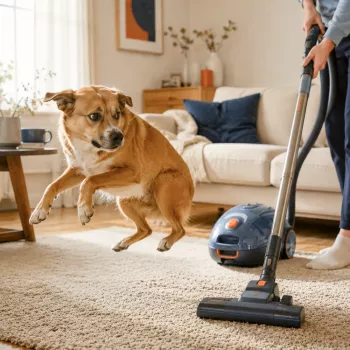
Helping Pets Handle Vacuum Stress: A Calm, Step-by-Step Plan for Dogs and Cats
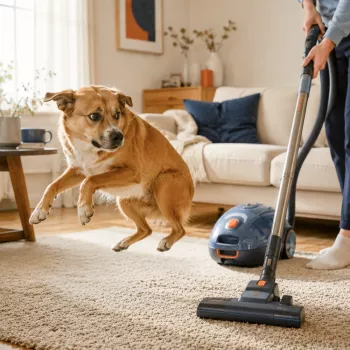
Vacuum noise, sudden movement, and unfamiliar scents can trigger panic in pets—especially those who are noise-sensitive or have had a bad experience. With a gradual plan, predictable routines, and the right setup, most dogs and cats can learn to stay calmer (or at least feel safer) when the vacuum comes out.
Why vacuums feel scary to pets
To a pet, a vacuum can seem like a loud, fast “creature” that appears without warning and moves straight toward them. Several factors stack up quickly:
- Noise intensity and pitch can be uncomfortable, particularly for animals with sensitive hearing.
- Threat-like movement (quick starts, direct approaches, sudden turns) can resemble chase behavior.
- Airflow and scent changes (dust, motor odor) can be overstimulating.
- Learned fear from past scares can return the moment the vacuum appears.
- Escalation risk: anxiety can turn into barking, lunging, swatting, hiding, or refusing treats.
If your dog or cat is already on edge, prioritize safety. For dog households, AVMA guidance on preventing bites is a helpful refresher when stress runs high: American Veterinary Medical Association (AVMA) — Dog Bite Prevention.
Read the early signs before stress escalates
Vacuum stress often shows up before the motor ever turns on. Catching those early signals helps you adjust quickly and keep training “easy enough” to learn.
- Dogs: pacing, tucked tail, lip licking, yawning, panting when not hot, whale eye, barking, or guarding behavior around the vacuum.
- Cats: flattened ears, tail flicking, crouching, dilated pupils, bolting, hiding, or growling/hissing.
- Freeze response: sudden stillness can be fear even if the pet is silent.
- Pattern tracking: note whether fear starts at the closet door, the cord movement, or only when the motor starts.
Set up the environment for success
Before training starts, make vacuum day feel less unpredictable. The goal is to give your pet control and space—two things fear takes away.
- Create a safe zone before vacuuming: a closed room, covered crate, or cat tree area with bedding and familiar scents.
- Use distance: vacuum farthest from the pet first and move closer only if your pet stays relaxed.
- Add sound buffering: close doors, use rugs, and run white noise or calm music in the safe zone.
- Pick timing strategically: vacuum after exercise/play and toileting so baseline energy is lower.
- Avoid cornering: keep an easy escape route away from the vacuum path.
If your pet needs immediate separation while you build skills, that’s not a failure—it’s smart management. You can still pair the safe zone with a special chew, food puzzle, or lickable treat so it feels like a bonus, not a punishment.
A gradual training plan (short sessions, big payoff)
Step 1: Make the vacuum “neutral”
Step 2: Add small movement
Step 3: Introduce the sound at the lowest intensity
Step 4: Combine movement + sound with distance
Step 5: Generalize
Quick guide: match your response to your pet’s reaction
| What you notice | What it likely means | What to do next |
|---|---|---|
| Pet eats treats, curious but relaxed | Below threshold; learning is possible | Continue short practice; end on a calm moment |
| Pet startles but recovers quickly | Mild stress; manageable exposure | Increase distance; reduce duration; reward recovery |
| Pet hides, trembles, or won’t eat | Over threshold; fear response active | Stop vacuuming nearby; use safe zone; restart at easier step later |
| Barking/lunging/swats or frantic escape attempts | High distress or defensive behavior | Prioritize safety; separate with a door/gate; consult a trainer/vet if frequent |
Make vacuum time predictable (and less personal)
Helpful calming supports (without forcing it)
- Licking and chewing options (dog-safe chews, licking mats, food puzzles) can shift focus and promote soothing behavior.
- Pheromone supports may help some pets: dog-appeasing pheromone (DAP) or feline facial pheromone diffusers/sprays.
- Anxiety wraps for dogs can provide gentle pressure; introduce the wrap when calm, not during the first noisy sessions.
- Veterinary support can be a game-changer when fear is severe. Medication doesn’t “erase” fear, but it can reduce panic enough for learning to happen. If needed, you can find a specialist here: American College of Veterinary Behaviorists — Find a Behaviorist.
For general guidance on fears and phobias across species, this overview is also useful: RSPCA — Helping pets with fears and phobias.
When vacuum stress is extreme: safety and next steps
A gentle option to support calmer routines
Some households do best with a structured plan that combines setup, gradual exposure, and predictable routines—especially when multiple family members share cleaning duties. For a guided resource focused specifically on vacuum-related stress and practical steps to implement at home, see Helping Pets Handle Vacuum Stress.
If you like tracking progress and keeping training consistent week to week, a simple planning approach can help you stay objective about distance, duration, and recovery time. A general resource that can support habit-building and troubleshooting is the Critical Thinking & Problem Solving eBook.
FAQ
How long does it take for a pet to get used to the vacuum?
Many pets improve in days to weeks with short, consistent sessions that stay below their fear threshold. Progress depends on how intense the fear is, how predictable the routine becomes, and whether your pet can still take treats during practice.
Should pets be kept in another room while vacuuming?
Yes—separation is often the safest short-term solution, especially for pets that panic or get defensive. Pair the separate room with something positive (food puzzle, chew, or cozy hiding spot) so it feels secure rather than isolating.
Can I desensitize my cat to the vacuum, or is hiding better?
Cats can be desensitized, but they do best with distance, control, and a slow pace. Offer a reliable sanctuary during cleaning, then practice brief, low-intensity exposures when your cat is calm and able to eat or relax.










Leave a comment