Guided Self-Love Meditations for Calm, Confidence
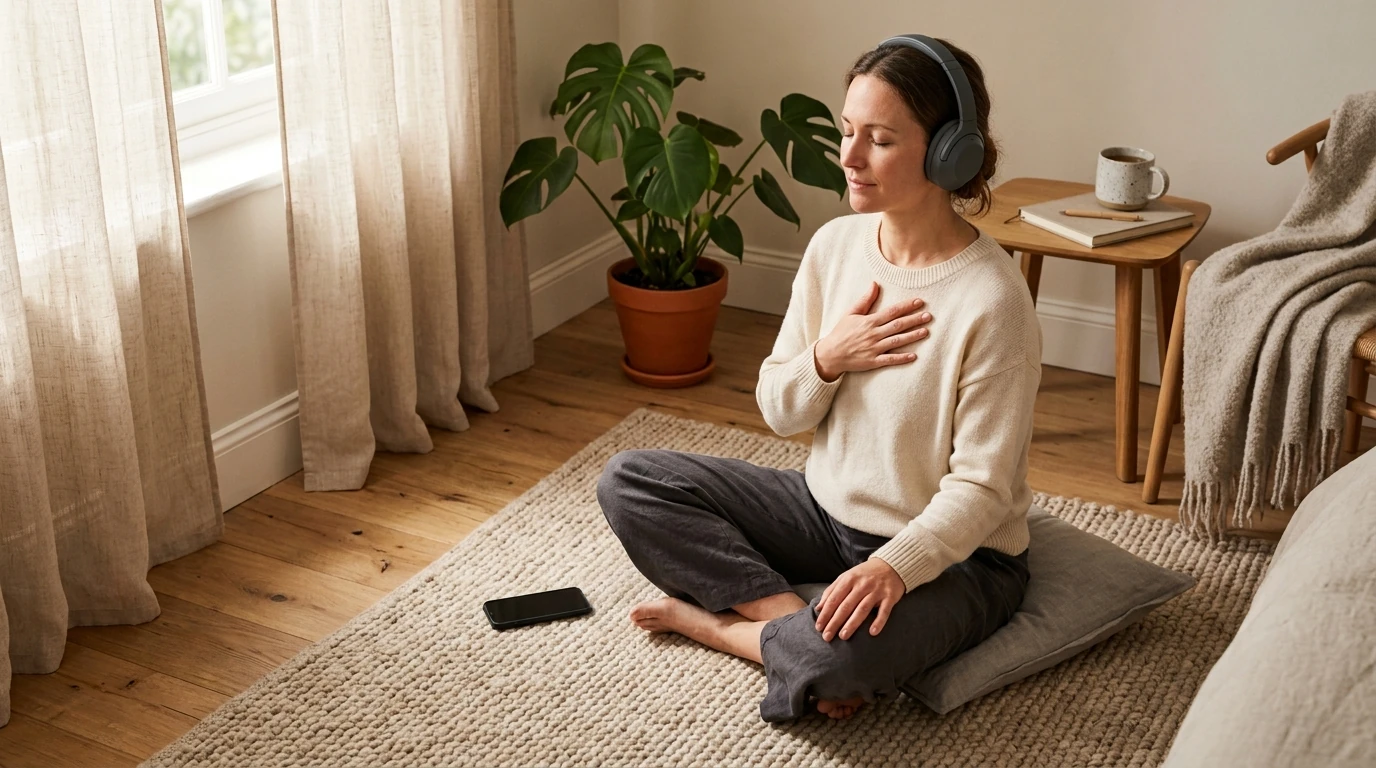
Meditations for Self-Love & Worthiness: Guided Audio for Confidence, Calm, and Inner Healing
Self-love and worthiness aren’t personality traits; they’re inner skills that can be practiced. A short, consistent routine of guided meditation, gentle mindfulness, and supportive affirmations can help quiet self-criticism, soften stress responses, and rebuild trust in personal value—especially when emotions feel loud or motivation feels low.
Mindfulness is often described as paying attention to the present moment with openness and without judgment, which can be a powerful way to relate differently to harsh thoughts and self-doubt (see the APA definition of mindfulness). And when practice is done safely and consistently, meditation can support stress regulation and well-being for many people (overview from the National Center for Complementary and Integrative Health).
What “self-love” practice looks like on an ordinary day
Self-love is less about “always feeling good about yourself” and more like a daily relationship with your own inner life. On an ordinary day, that relationship is built in small moments: noticing what you feel, allowing it to be there, and choosing a caring response instead of reflexive judgment.
- Self-love as a daily relationship with thoughts and emotions: noticing, allowing, and responding with care rather than judgment.
- Worthiness as a felt sense in the body: safety, ease, and permission to take up space without earning it first.
- Why guidance helps: a calm voice and structure reduce decision fatigue and keep practice steady when confidence dips.
- Small wins matter: 5–10 minutes can be enough to interrupt old patterns and create new emotional pathways.
Self-love can also be grounded in self-compassion: treating yourself with the same basic kindness you’d offer someone you care about, especially during struggle (research overview from Greater Good Magazine).
Inside the audio course: guided meditations, affirmations, and mindfulness
A well-structured audio course creates a supportive container: you press play, you’re led step-by-step, and you don’t have to “do it perfectly” for it to help. The goal isn’t to force confidence—it’s to build steadiness so confidence has room to return.
- Guided meditations: step-by-step attention training that supports emotional regulation, self-compassion, and inner steadiness.
- Affirmations (done gently): phrases used as anchors for attention and intention, not as pressure to “feel positive” instantly.
- Mindfulness for confidence: learning to observe doubts without merging with them, then choosing supportive actions.
- Inner healing focus: creating space to feel emotions safely, release tension, and reconnect with personal values.
| Practice | Best for | When to use it | What it can shift |
|---|---|---|---|
| Guided meditation | Calming nervous system and building self-trust | Morning reset or after a triggering moment | Less rumination, more emotional steadiness |
| Affirmations | Reframing self-talk and strengthening supportive beliefs | During walks, chores, or before sleep | Reduced self-criticism, clearer self-respect |
| Mindfulness | Staying present with difficult feelings without spiraling | Anytime stress or doubt rises | More choice, less reactivity |
| Breath/body awareness | Grounding and easing tension | Before hard conversations or decisions | Improved calm, better boundaries |
If a calm, structured approach sounds supportive, explore the guided audio format here: Meditations for Self-Love & Worthiness | Audio Course | Guided Meditations, Affirmations & Mindfulness for Confidence, Calm, and Inner Healing.
A simple routine for confidence, calm, and worthiness (10 minutes)
Consistency beats intensity. A 10-minute routine can be enough to train a new response to self-criticism: from “prove yourself” to “be with yourself.” Try this structure and keep it flexible.
- Minute 1–2: settle the body—comfortable posture, softer jaw/shoulders, slow exhale to signal safety.
- Minute 3–6: guided focus—follow prompts to observe thoughts, return to breath, and allow feelings to move.
- Minute 7–9: affirmation integration—choose 1–2 phrases and repeat slowly while noticing body response.
- Minute 10: close with one grounded action—drink water, write one kind sentence, or set one gentle boundary for the day.
Over time, the “win” is not never doubting yourself; it’s recognizing doubt sooner and treating it like a passing mental weather pattern rather than a verdict.
Common blocks (and how to work with them without force)
Most obstacles aren’t signs you’re doing it wrong—they’re the exact places where self-love gets practiced. The goal is to meet resistance with curiosity instead of pressure.
Who this audio course can help most
Ways to pair the course with supportive tools
If boundaries and emotional safety are a growth focus—especially in dating—pair mindfulness with a practical checklist: Mindful Dating Red-Flag Checklist | Printable Dating Checklist for Emotional Safety & Boundaries | Spot Red Flags Early.
And if self-doubt shows up as overthinking, a structured decision framework can complement meditation by turning anxiety into clear next steps: Critical Thinking & Problem Solving eBook – Digital Download Guide for Smarter Decision Making, Brain Teasers & Life Skills Ebook.
FAQ
How often should guided meditations be used to build self-love and worthiness?
Consistency matters more than duration: 5–10 minutes daily (or 3–5 times per week) is enough to build momentum. Repeating the same favorite track for a full week can deepen the effect because your nervous system learns the cues faster.
Do affirmations work if they don’t feel true yet?
They can, especially when you start with believable statements focused on willingness and values (for example, “I’m open to treating myself with more respect today”). Pair the phrase with a slow exhale and notice how your body responds rather than forcing instant positivity.
Can this help with anxiety and feeling emotionally overwhelmed?
Guided meditation and mindfulness can support calm, grounding, and emotional regulation, particularly when you use options like opening your eyes or shortening sessions. This isn’t a substitute for professional mental health care, but it can be a steady daily support alongside it.












Leave a comment