Solo Travel Safety Plan: Smart Habits + Checklist
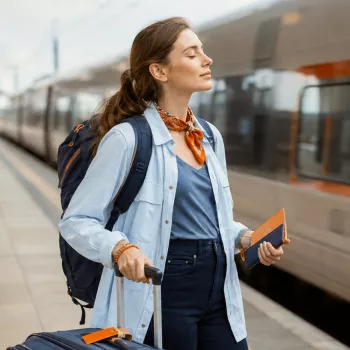
Solo Traveler’s Guide to Staying Safe: Practical Planning, Smart Habits, and a Printable Checklist
Solo travel is empowering and flexible, but it also rewards structure—especially around planning, communication, and situational awareness. The goal isn’t to travel in fear; it’s to reduce avoidable risk so decisions stay calm and practical. Use the steps below before departure, on arrival, and day-to-day to build repeatable routines that keep your trip enjoyable.
Start With a Personal Safety Baseline
Safety starts with clarity about your own comfort level. Before you book anything, decide what “normal risk” looks like for you—nightlife, remote hikes, late arrivals, rideshares, or alcohol use—and what crosses the line.
Set non-negotiables you won’t debate in the moment
- No unlicensed taxis or off-app rides.
- No isolated ATMs at night.
- No posting live location publicly (save the “I’m here!” posts for later).
Use a simple “pause rule” when you feel rushed
High-pressure moments are when scams work and mistakes happen. Step aside, breathe, verify what you’re being told (price, route, address, identity), then proceed. If you can’t verify, you can always choose the slower option.
Plan around fatigue
Accommodation and transport should match your energy levels. A “cheap but complicated” route after a long travel day can cost more in stress and errors than an easy transfer or an earlier arrival.
Practice a polite refusal script
Keep it short and neutral: “No thanks, I’m all set.” Repeat once, then move. You don’t owe details, and you don’t need to escalate tension by debating.
Pre-Trip Travel Security Planning
Good planning makes the first 24 hours smoother—often the most vulnerable window of the whole trip.
- Research common scams and neighborhood considerations. Country-level advisories and local patterns matter more than viral clips; start with U.S. Department of State travel information and cross-check with UK foreign travel advice.
- Build an arrival plan: daylight check-in when possible, a confirmed address, a backup route, and offline directions.
- Share an itinerary summary with a trusted contact (lodging name/address, flight/train numbers, and key bookings).
- Store digital and physical copies of passport/ID, visas, insurance, and emergency contacts separately.
- Set a communication plan: check-in windows, what triggers escalation, and who to contact if you’re unreachable.
Pre-Trip Safety Setup Checklist
| Task | Why it matters | Done |
|---|---|---|
| Save emergency numbers (local emergency, embassy/consulate, lodging) | Fast access under stress | □ |
| Enable phone PIN/biometrics + SIM PIN | Reduces account takeover after theft | □ |
| Download offline maps + key addresses | Navigation without data or in low-signal areas | □ |
| Pack a decoy wallet / minimal-cash card strategy | Limits loss if pickpocketed | □ |
| Confirm arrival details and backup transport | Avoids improvising late at night | □ |
| Set check-in schedule with a trusted contact | Creates accountability and faster help | □ |
On-the-Ground Habits That Reduce Risk
Small behaviors compound into big safety gains, especially when you’re alone and navigating a new environment.
- Arrive “camera-ready, not distracted”: pause before stepping into crowds; scan exits, signage, and transit lines.
- Keep phone use purposeful in public—step into a doorway or shop to check maps instead of stopping mid-street.
- Use the “one ear open” approach: avoid full noise isolation in unfamiliar areas, especially at night.
- Prefer well-lit routes with foot traffic; if a street feels wrong, change direction early without hesitation.
- Minimize “new traveler” signals: avoid flashing cash, wear bags cross-body, and keep valuables out of back pockets.
Money, Documents, and Device Security
Protecting essentials is easier when you separate them. Carry only what you need for the day and keep backups in a secure place at your lodging.
Transport Safety: Walking, Public Transit, and Rides
Accommodation Safety Without Losing Comfort
Health, Boundaries, and Social Situations
- Keep beverages in sight; open your own bottles; leave a drink behind if it’s been unattended.
- Use a “two-step check” before accepting invitations: verify the setting and the exit plan.
- If something becomes uncomfortable, exit early—no explanation required beyond a simple refusal.
- Know basic emergency phrases and how to request help at hotels, transit desks, and shops.
- Carry essentials: required meds, basic first aid, and hydration. For destination-specific health guidance, consult CDC Travelers’ Health.
What to Do If Something Goes Wrong
A Printable Checklist for Calm, Repeatable Safety
For a ready-to-download checklist and structured planning prompts, see the Solo Traveler’s Guide to Staying Safe (Digital Download PDF eBook).
Helpful Digital Guides for Confident Solo Trips
- Solo Traveler’s Guide to Staying Safe | Guide | Digital Download PDF eBook | Solo Travel Safety Tips & Checklist | Travel Security Planning
- Critical Thinking & Problem Solving eBook – Digital Download Guide for Smarter Decision Making, Brain Teasers & Life Skills Ebook
- Mindful Dating Red-Flag Checklist | Printable Dating Checklist for Emotional Safety & Boundaries | Spot Red Flags Early
FAQ
What are the most important solo travel safety habits to start with?
Start with a clear arrival plan, keep valuables minimal and separated, stay aware without looking lost, and set a check-in routine with someone you trust. These habits reduce the highest-frequency problems: confusion, distraction, and lack of backup.
How can solo travelers protect passports, money, and phones while out all day?
Carry only what you need, store backups separately, and use transaction alerts plus strong device locks. In crowds, keep bags cross-body or front-carry, and avoid public Wi‑Fi for sensitive accounts.
Is it safer to book rideshares, taxis, or public transit when traveling alone?
It depends on time of day, local norms, and route complexity. Rides can be safer at night when you verify driver/plate and share your trip status, while public transit is often safe when you stay near other riders and keep belongings secured.








Leave a comment