Eco-Friendly Travel Checklist: Zero-Waste Packing & Habits
What “eco-friendly travel” looks like in real life
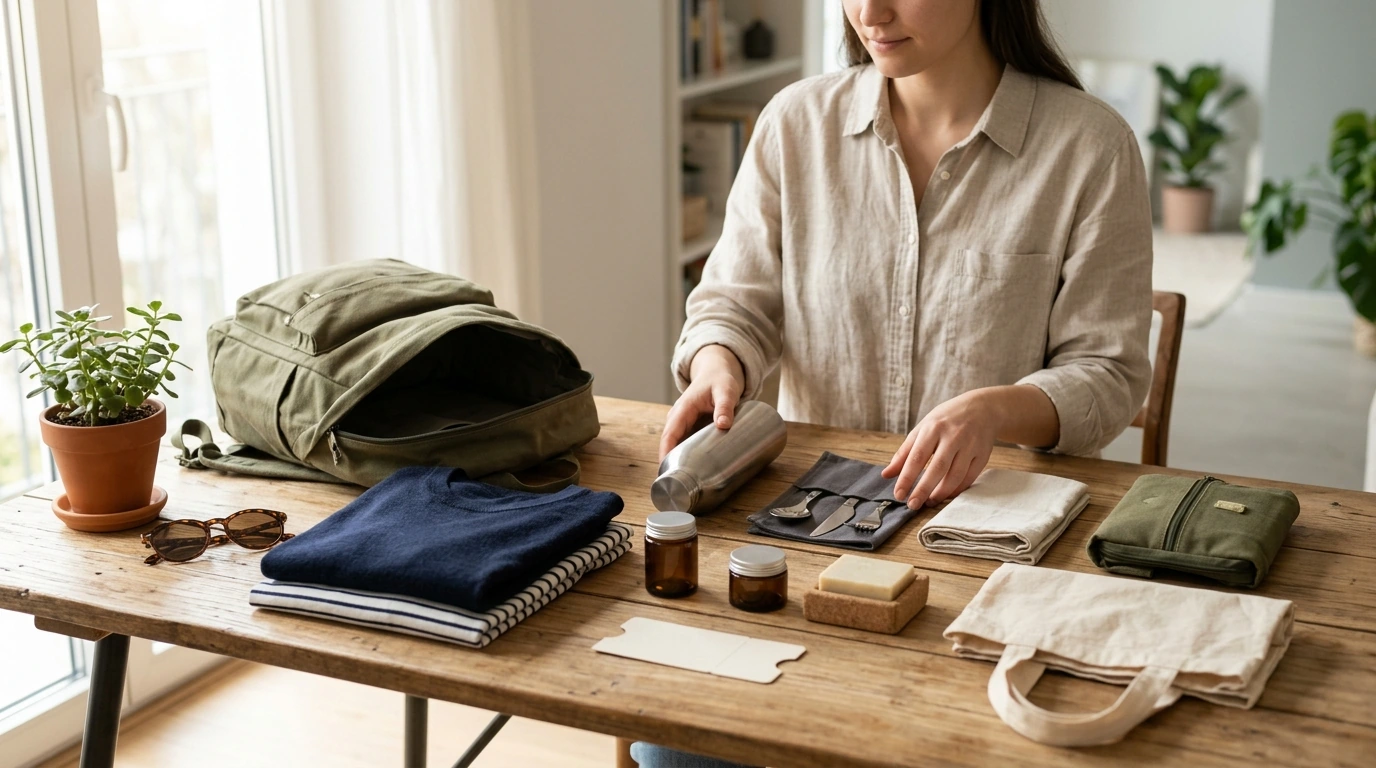
Eco-friendly travel isn’t about being perfect—it’s about making repeatable choices that cut waste and emissions without turning every trip into a project. The biggest levers are usually transportation decisions, energy use, and what gets thrown away. When those are handled well, smaller choices (like skipping a straw) become a helpful bonus rather than the whole strategy.
A practical approach is “less stuff, longer-lasting gear”: pack fewer items, choose higher-utility pieces, and prioritize durability. Reusables that replace frequent disposables—like a refillable bottle, tote, and compact cutlery—do more work than niche gadgets. And when choosing experiences, look for options that protect nature and respect local communities: ethical operators, responsible wildlife viewing, and local spending that stays local.
Keeping it realistic matters. One or two upgrades per trip—like committing to refilling water and bringing a tote—often beats an all-or-nothing plan that’s hard to maintain.
Pre-trip planning checklist (the part that prevents most waste)
Most travel waste happens when plans are vague and purchases happen on the fly. A short pre-trip checklist reduces “panic buys,” extra packaging, and forgotten essentials.
- Pick lower-impact transport when feasible: direct routes, rail or bus over short flights, or carpooling for regional trips.
- If flying, pack lighter and choose nonstop flights when possible; fewer legs often means less fuel burn than multi-stop routes.
- Book lodging with clear sustainability practices: towel/linen reuse options, refillable toiletries, recycling/composting, and energy-efficient systems.
- Build a “refill plan”: identify refill stations, grocery stops, and simple package-light foods (fruit, bakery items, bulk bins where available).
- Create a small “repair and refill kit” list: stain stick, safety pins, mini sewing kit, solid soap/shampoo, and a reusable zip pouch for toiletries.
- Set simple trip rules you’ll actually follow: no single-use water bottles, no disposable cutlery, always carry a tote.
For more context on waste reduction basics that translate well to travel, the U.S. EPA’s guidance on Reduce, Reuse, Recycle is a solid reference point.
Zero-waste packing checklist (core reusables + smart clothing)
Packing for sustainability is mostly about replacing the items that become trash every day, then choosing clothing that reduces laundry loads and overpacking.
Core reusables
- Hydration and food: reusable bottle, collapsible cup (optional), reusable straw (if needed), food container, reusable snack bag.
- Eating on the go: travel cutlery set, lightweight cloth napkin or bandana, compact dish soap sheet or small soap piece.
- Shopping and day use: foldable tote, small produce bag, carabiner for clipping items to a bag.
- Toiletries: solid shampoo/conditioner or refillable minis, bar soap in a travel case, bamboo toothbrush or replaceable-head brush, refillable deodorant (when available).
- Laundry: sink stopper (optional), concentrated laundry strips or a small detergent portion, travel clothesline, quick-dry towel (only if it replaces multiple towels).
Clothing and tech strategy
- Choose layers, repeatable outfits, and quick-dry fabrics; build around a neutral palette so pieces mix easily.
- Prioritize multipurpose shoes (one walking pair, one “clean” pair if needed) rather than a shoe for every scenario.
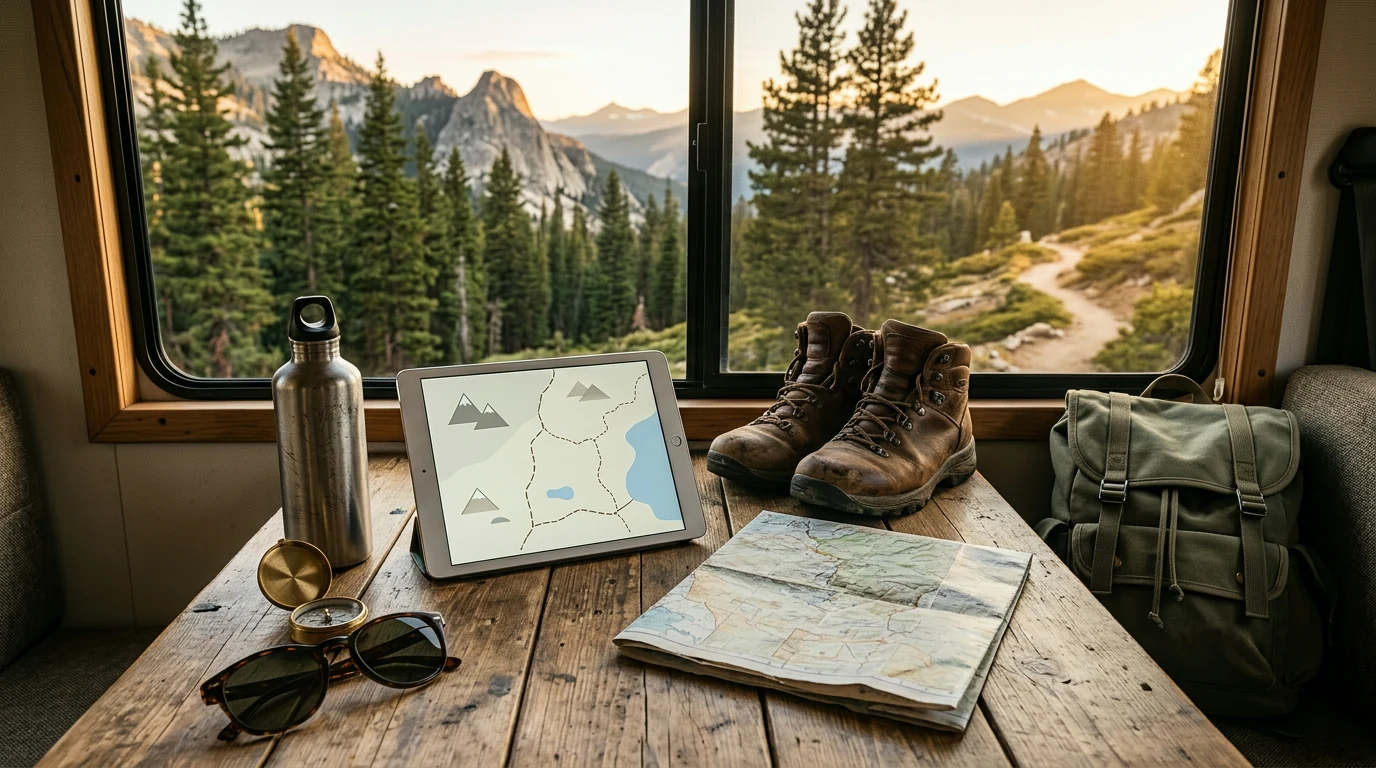
- Keep tickets digital, store maps offline, bring a small power strip to avoid extra chargers, and use rechargeables when relevant.
| Disposable | Reusable swap | Why it helps |
|---|---|---|
| Plastic water bottles | Refillable bottle | Cuts frequent single-use purchases and reduces trash on travel days |
| Takeout cutlery | Compact travel cutlery | Prevents repeated plastic waste during transit and sightseeing |
| Plastic shopping bags | Foldable tote + produce bag | Avoids bag waste and handles unplanned purchases |
| Travel-size toiletry minis | Refillable containers or solids | Reduces packaging and leakage; lasts across multiple trips |
| Paper napkins | Cloth napkin or bandana | Reusable for meals, quick cleanups, and even sun/heat protection |
| Single-use food wrap | Reusable snack bag or container | Keeps snacks fresh and reduces wrapper trash in daypacks |
In-transit habits (airports, trains, road trips)
Travel days are where good intentions get derailed. A simple “reusables check” keeps the plan intact even when schedules change.
For travelers spending time outdoors, the Leave No Trace Center’s Seven Principles are a helpful framework for low-impact choices that work anywhere.
Hotel, rental, and accommodation checklist
For a broader view of how tourism intersects with environmental impact, the UN Environment Programme overview of Sustainable Tourism is a useful primer.
Low-impact activities and local spending
How to use a digital checklist so it actually gets used
If you want a ready-to-reuse template, the Eco-Friendly Traveler Checklist digital download is designed for quick scanning before any trip, with space to customize by destination and length.
Helpful digital resources for planning and follow-through
- Eco-Friendly Traveler Checklist | Sustainable Travel Digital Download (simple, repeatable packing + habit checks)
- Critical Thinking & Problem Solving eBook (useful for evaluating “green” claims, comparing options, and making clearer travel decisions)
FAQ
What are the most important items for zero-waste travel?
Start with the highest-frequency disposables: a refillable water bottle, tote bag, travel cutlery, and a small food container or snack bag. Once those are second nature, add refillable toiletries or solid bars to cut packaging even further.
How can travel be more sustainable without buying new gear?
Use what you already own, borrow or rent specialty items, and pack fewer outfits you will actually rewear. Small habit shifts—refilling, reusing, and choosing lower-impact transportation—often matter more than new purchases.
Are solid toiletries better for travel?
Often, yes: they can reduce packaging, avoid leaks, and last longer than liquid minis. Store bars in a ventilated case so they dry between uses, and confirm any destination-specific rules for what you can carry.










Leave a comment